
The user data area of an ADATA SC680 480 GB external SSD had become inaccessible. The drive used an SM2259XT controller, and a problem with its internal operation prevented normal access to the stored data. At the AdatVissza laboratory, the PC-3000 Portable III provided the means to access the data area. The recovery achieved a nearly 100% result in this particular case.
This case illustrates why an inaccessible SSD does not automatically mean that its data has been permanently lost. The important questions are what prevents reading and what condition the individual drive is in.
The recovery case at a glance
| Storage device | ADATA SC680 external SSD |
|---|---|
| Rated capacity | 480 GB |
| Controller in the examined unit | Silicon Motion SM2259XT |
| Reported problem | The normal user data area was inaccessible |
| Recovery system used | PC-3000 Portable III |
| Outcome | A nearly 100% recovery result for this individual drive |
What happened to this ADATA external SSD?
The problem concerned the SSD's internal control system: normal access to the user data area was unavailable. The condition described in the workshop as “controller panic” or “panic-lock” meant that the stored files could no longer be accessed through the usual route.
A more precise description is a controller- or firmware-related malfunction preventing access to the data area. In this case, “panic-lock” is shorthand for the observed condition, rather than a universal error code with the same meaning on every SSD.
In plain language: the data may remain while the access path fails
The SSD controller acts as the intermediary between the computer and the flash memory. If its internal operating software cannot function correctly, the computer may be unable to read the stored contents.
Think of a warehouse where the parcels are still on the shelves, but the system responsible for locating and releasing them is no longer working. The parcels have not vanished, yet finding a way to retrieve them requires more than an ordinary search. An SSD can present a comparable situation. An inaccessible data area alone is not proof that the stored information has been destroyed.
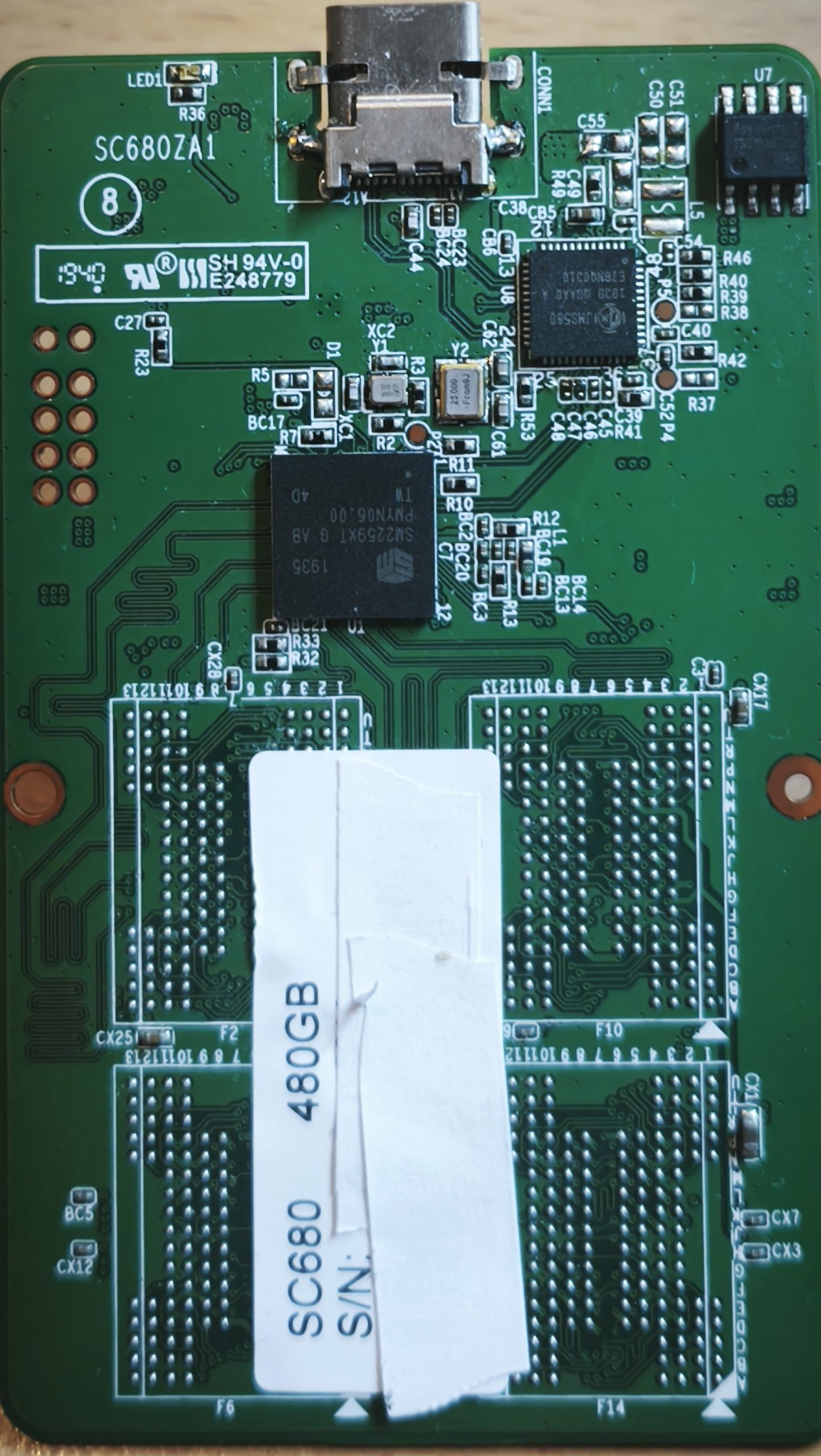
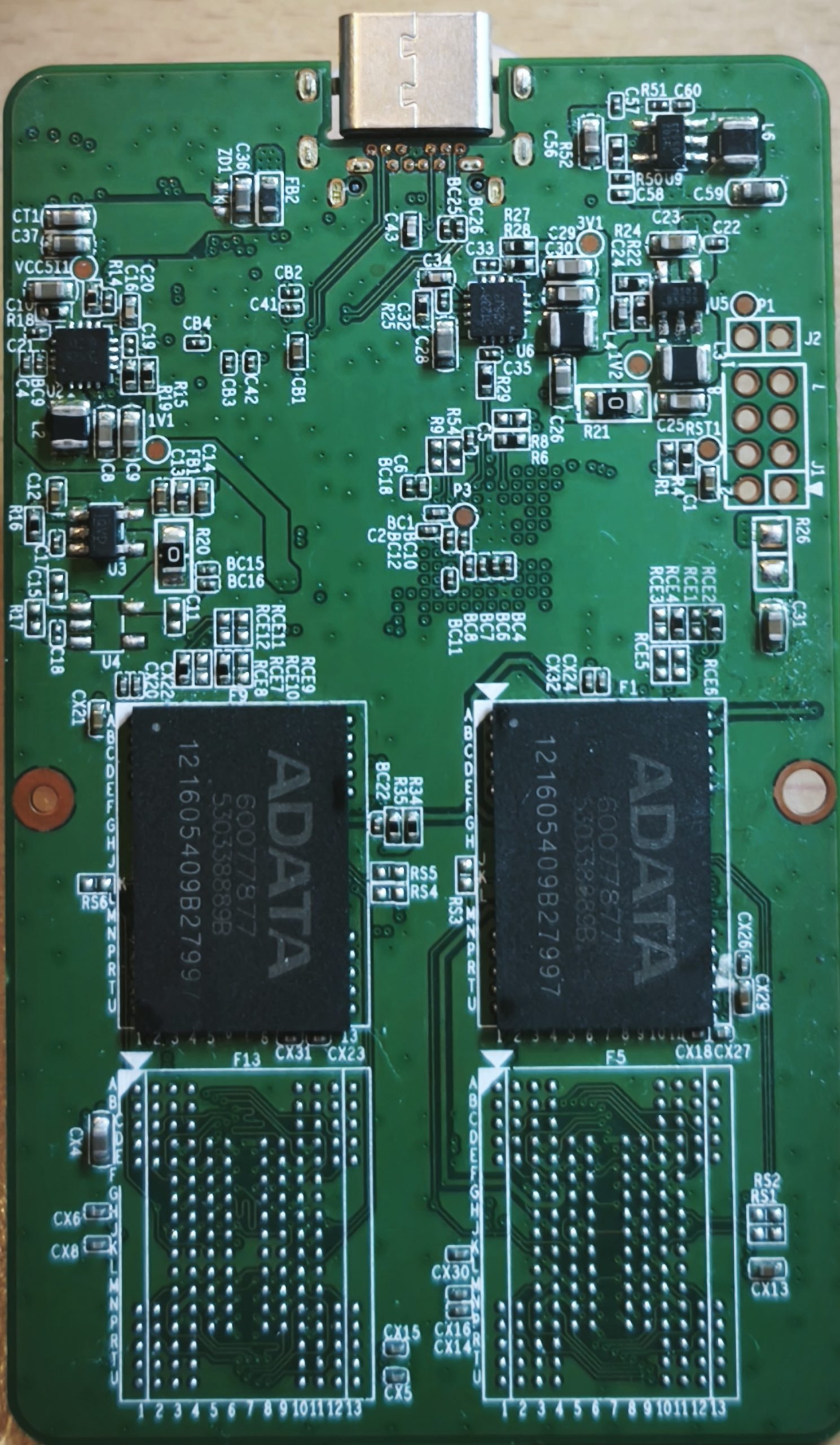
How did the PC-3000 Portable III help?
In this recovery, the professional PC-3000 Portable III system made it possible to access the SSD's data area and recover the data. The task was not simply to search for missing files: the internal problem preventing access had to be addressed first.
The recovery procedure matters as much as the equipment. On the SM2259XT platform, the actual combination of controller, firmware and memory configuration affects the available options. PC-3000 provides a specialist recovery environment; its use must be adapted to the drive being examined.
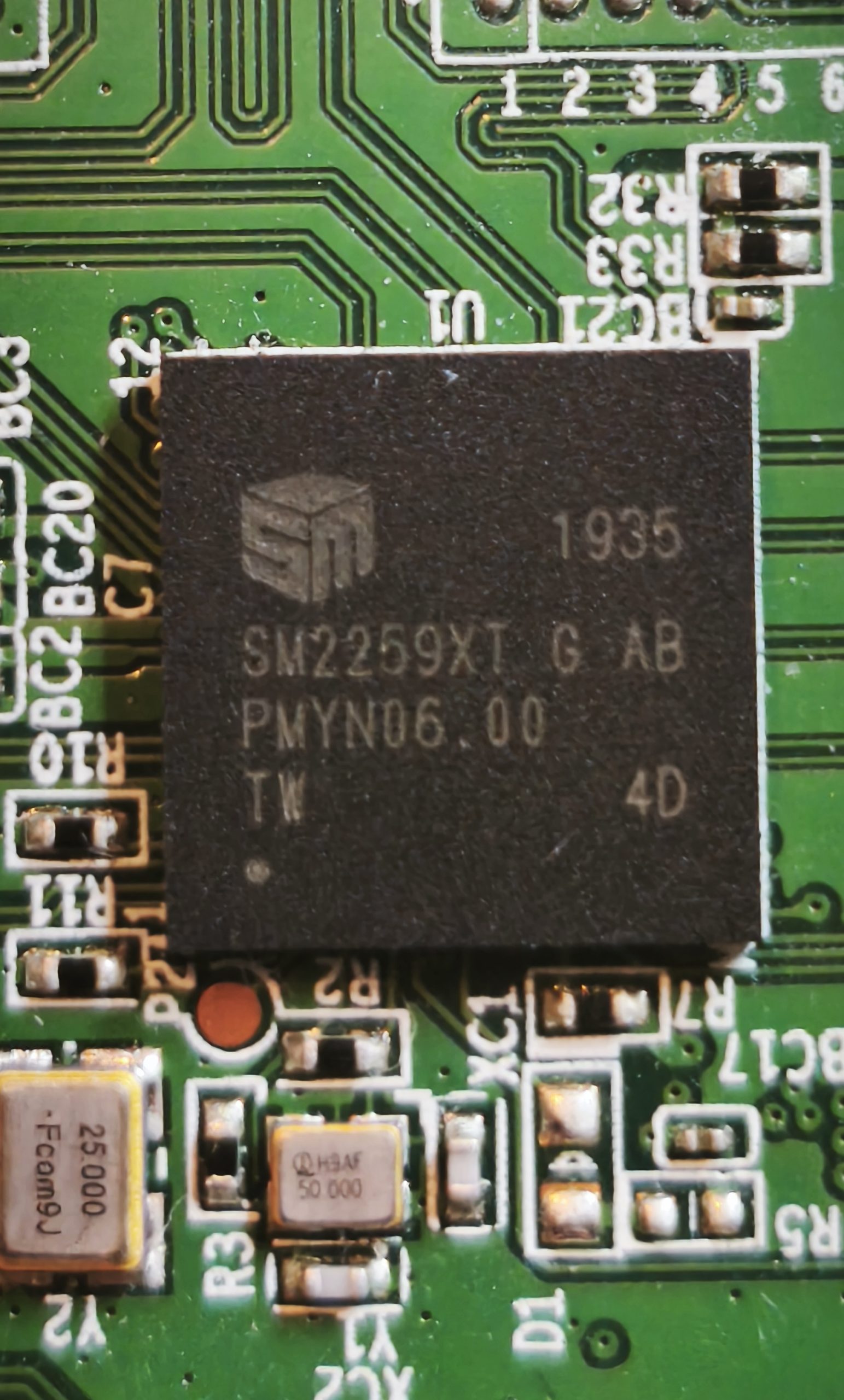
The result: nearly complete data recovery
Recovery from this ADATA SC680 SSD concluded with a nearly 100% result. Accessing the previously inaccessible data area enabled the data to be recovered. This is the outcome of this individual case, rather than a general recovery rate applicable to all SSD failures.
A brand name and capacity alone cannot determine how much data can be recovered. The nature of the fault, the condition of the memory and controller, and what has happened to the device since the fault appeared all matter. Read more about SSD data recovery options.
What should you do if your external SSD data is inaccessible?
- Stop using the device and disconnect it from power.
- Do not format or initialise the drive simply because the operating system suggests it.
- Avoid firmware updates and factory resets when important data is still on the device.
- Make a note of the symptoms and what happened before the failure; these details can help the assessment.
The goal of professional recovery is to retrieve the important contents. A successful recovery does not, by itself, mean that the faulty SSD can be trusted for everyday storage again.
Experiencing a similar problem?
If data on an ADATA SSD or another manufacturer's drive has become inaccessible, tell us what happened. The AdatVissza team can help assess your options. Our laboratory is in Szigetszentmiklós, near Budapest, and devices can also be sent by post or courier from across Hungary.
Request an SSD recovery quotation · Telephone assistance: +36 30 370 7307
SSD recovery prices and conditions
This case study documents the AdatVissza laboratory's own work and photographs. Technical background: ACE Lab – SM2258XT/SM2259XT platforms. Device specifications: ADATA SC680 manufacturer datasheet.